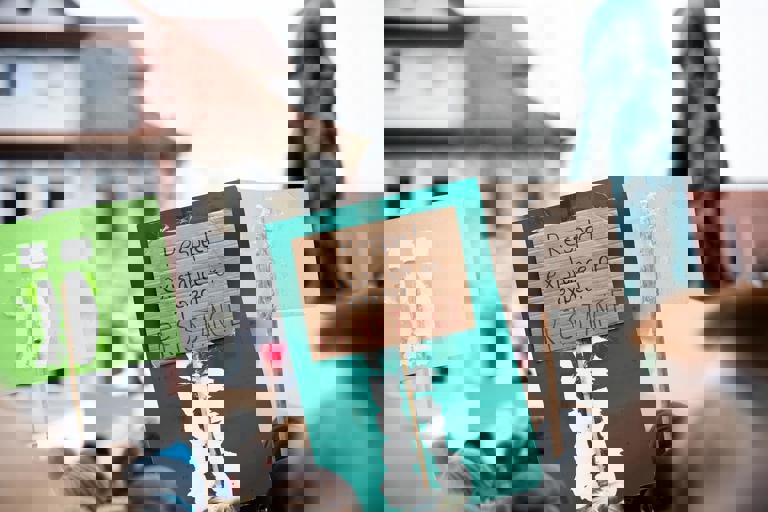
Dozens of council housing tenants assembled on the steps of City Hall this morning, staging a passionate protest against what they described as a "sudden and unfair" rent hike. The demonstration, which drew residents from several city estates, was sparked by a second rental increase imposed within just a few months. Many attendees carried handmade placards and chanted slogans, hoping to draw public attention to their plight and force a policy review by local authorities.
For many protesters, the most alarming aspect wasn’t just the rise in rents but the lack of notice or consultation about the changes. Residents reported receiving letters about the new rates with mere weeks to adjust their already tight household budgets. “It’s not just the amount, it’s the shock of it all,” explained Carolyn Hughes, a tenant at one of the affected council blocks. “We deserve at least a heads-up and a say.”
The increases have left many tenants fearing for their financial stability. For families living paycheck to paycheck, additional monthly costs in a cost-of-living crisis can be devastating. According to campaigners, some residents have seen their rents rise by up to 12% over the last six months, a figure that far outpaces increases in local wages or inflation rates. Many are now scrambling to seek extra work or reduce spending elsewhere.
Local tenant associations played a crucial role in mobilising residents for the demonstration. Jack Fitzgerald, chair of one such group, addressed the crowd: "Our homes are supposed to be affordable and secure. When rents jump with no explanation, council tenants lose faith in the system that's meant to protect them." He called on city councillors to freeze further increases and open meaningful dialogue with residents.
In response to the protest, a spokesperson for the city council issued a brief statement noting that increasing costs of maintenance, utilities, and essential repairs have led to higher rental rates. The council acknowledged the difficulties this poses for tenants, but insisted that rent reviews are necessary to ensure the safety and upkeep of council properties. However, many protesters remain unconvinced that the hikes are justified or that all alternative funding avenues have been explored.
Housing experts have weighed in on the dispute, noting that affordable housing is becoming increasingly difficult to sustain in many urban areas across the UK. Dr. Imran Patel, a lecturer in urban development, said, "Sudden and repeated rent increases risk pushing the most vulnerable further to the margins. Councils must strive for greater transparency and find innovative ways to meet funding needs without disproportionately affecting tenants."
Several protesters voiced frustration at what they described as a lack of engagement from local officials. "We have emailed, phoned, tried to arrange meetings," said Anika Samuel, a mother of two. "It feels as though our concerns are simply being dismissed. If councillors won’t come out and face us, we have to bring our message to their front door." Calls for regular tenant forums have grown stronger in light of recent events.
The rally also drew support from local advocacy groups and charities, some of which set up information stalls offering advice on housing rights and access to support services. Volunteers from Shelter handed out leaflets explaining tenants’ legal options, while Citizens Advice staff spoke to individuals about applying for housing benefit adjustments. Several organisers stressed that joining forces was key to amplifying tenants’ collective voice on the issue.
Beyond immediate financial worries, tenants say the stress caused by rent instability is affecting their mental health. “People shouldn’t have to worry every day about whether they’ll be able to stay in their homes,” said Roberto Alvez, who has lived in council accommodation for two decades. Mental health professionals present at the protest echoed this sentiment, warning that housing insecurity can lead to increased anxiety, depression and family strain.
City Hall security maintained a visible but non-confrontational presence during the demonstration, allowing participants to express their grievances peacefully. By midday, the protest had swelled as more residents and campaigners arrived, and several local councillors emerged to listen to constituents’ accounts. Some protesters expressed hope that their stories, once heard firsthand, might prompt genuine efforts to review and revise council rent policies in the coming weeks.
As the protest wound down, organisers described the day’s events as just the beginning. Many plan to petition the council formally and to launch a series of community meetings to ensure all tenants are informed of their rights and prepared for future negotiations. “We are not going to accept decisions made behind closed doors any longer,” pledged Fitzgerald, urging unity among tenants and ongoing pressure on policymakers.
Looking ahead, the outcome of this dispute could set important precedents for how local governments handle rent reviews and tenant engagement in the future. The tenants’ grassroots movement has reignited debate over the affordability and accessibility of public housing, with many believing that genuine, ongoing partnership between councils and residents is the only way to ensure fair and sustainable policies for all. The issue remains far from resolved, but today’s protest has brought it sharply into public focus.