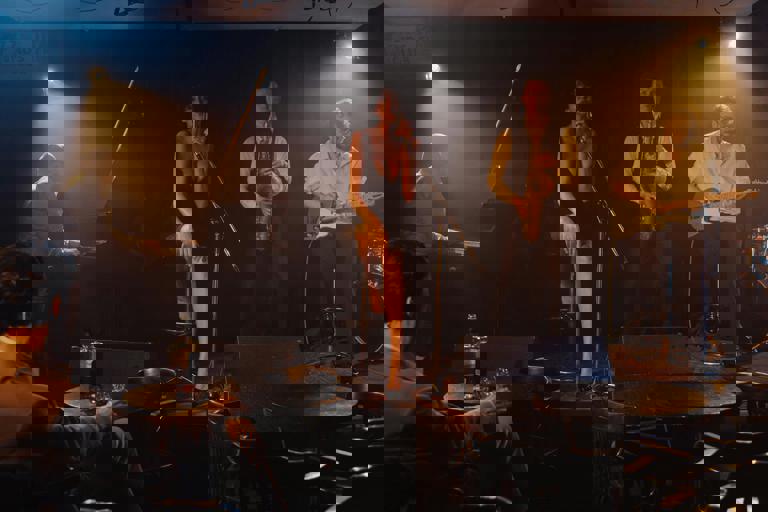
As twilight settles over the high streets, a different pulse stirs beneath the city’s well-trodden pavements. Hidden beneath busy shops, a network of jazz clubs is enjoying an unexpected revival, drawing curious newcomers and seasoned musicians to London’s shadowy underground. Tucked away behind unmarked doors and winding staircases, these cellars are breathing new life into Britain’s vibrant jazz tradition, creating sanctuaries for the city’s avant-garde soundscape.
For decades, many of these cellars stood empty, relics of a bygone era when live jazz flourished amidst the city’s post-war cultural landscape. Now, a new generation of musicians is rediscovering these forgotten venues, transforming them into hubs of creativity. “It feels like every night there’s a surprise waiting underground,” says saxophonist Dean Mercer. “The energy you find here is completely different from anywhere else.”
Packed gatherings fill these intimate spaces as enthusiasts favour atmospheric, unfiltered musical experiences. Unlike traditional concert halls, cellar clubs offer audiences proximity to the performance, blurring the lines between stage and seats. Annabelle Jones, a frequent attendee, describes it as “absolutely electric— you feel every note in your bones, and everyone in the room is part of the performance.”
This underground resurgence has been propelled by social media, where word of impromptu gigs spreads rapidly among jazz aficionados. Instagram and TikTok are filled with snippets of smoky solos and impromptu jam sessions, enticing new listeners to seek out these clandestine venues. According to data from the UK Music Venue Trust, interest in alternative performance spaces has surged by 18% over the past two years, further fuelling the movement.
The resurgence is also economically significant, with these cellar clubs providing vital opportunities for emerging artists to debut original compositions. Many clubs now host weekly open-mic nights and collaborations, allowing musicians to experiment beyond mainstream constraints. Club manager Alison Brookes notes, “We’re able to give young talent a platform you just can’t find in the commercial music scene— it’s become a breeding ground for innovation.”
Diversification of styles has been essential to this renaissance. While the smoky classics of Duke Ellington and Miles Davis are often staples of the setlists, newer acts mix in genres such as hip-hop, electronic, and even Afrobeat. This fusion keeps the music fresh and draws in a younger, more eclectic audience. As club owner Javed Malik puts it, “Jazz is about freedom— and here, we embrace every conceivable twist it can take.”
The underground setting itself has a remarkable impact on the experience. Low ceilings, exposed brickwork, and vintage furnishings craft a moody intimacy reminiscent of the 1950s jazz heyday. Many clubs deliberately maintain their historic character, with dim lighting and antique pianos taking centre stage. For many attendees, this authenticity is a major draw, offering an escape from the more polished, commercialised venues scattered across the city.
Security and licensing, however, remain key challenges. Many of these cellar clubs operate in older buildings not originally designed for modern music venues, requiring investments in soundproofing and fire safety. Local councils, while generally supportive, have increased scrutiny on building regulations. “We want the scene to grow safely,” says council representative Martin Philips, “but it must happen in a way that respects both heritage and community standards.”
The surge in interest has also led to cross-generational connections. Veteran musicians regularly return to pass on their craft to enthusiastic newcomers, hosting masterclasses and sharing stories about the city’s historical jazz roots. Pianist Gloria Sinclair, resident mentor at one club, says, “For young players, this is the closest they’ll ever get to the spirit of Soho’s golden age.” These connections are keeping the music—and its history—alive for future generations.
Audiences themselves tend to reflect this diversity, ranging from university students to retirees who recall the genre’s earlier peak. Many clubs report that their typical crowd now includes more first-time listeners than ever before, an encouraging sign for the long-term vitality of the scene. Event organiser Peter Leighton shares, “It’s heartening to see people who’ve never heard live jazz before walk away completely changed by the experience.”
Looking ahead, many involved in the movement express optimism for the sustainability of this revival. Ongoing partnerships with local artists, record shops, and even independent coffeehouses are helping integrate jazz into the broader fabric of city life. Several clubs have started working with schools and community groups to nurture young talent, seeking to ensure that the latest wave isn’t a short-lived trend but a permanent fixture of the city’s cultural calendar.
As the city’s daily hum fades each evening, the cellars beneath high street shops fill with the stirring echoes of improvisation and camaraderie. Far from the spotlight of mainstream stages, these jazz clubs represent a unique melding of nostalgia, innovation, and collective passion. Their thriving existence underscores the resilience of the city’s creative spirit, suggesting that, in the hidden spaces below, the future of jazz has never looked brighter.